


A project to build up the shoreline near the J Street Marina in Seaside Park, N.J., is completed in time for the 2023 spring. (Photo: Shorebeat)
A fresh study on submerged aquatic vegetation along the Bayview Avenue waterfront has been completed, and the results show what was expected: there were virtually no signs of growth of eelgrass or similar species in the area that could be damaged by the construction of an artificial oyster reef and extension of the shoreline to help solve flooding issues.
Last week, the borough council slightly extended a contract with global expert Dr. Paul Bologna, of Montclair State University, who conducted the study on what was literally considered the most prime day of the year for potential vegetation growth in the water. It is the latest effort to convince the U.S. Army Corps of Engineers to approve the borough’s anti-flood plan, which has been endorsed not only by the state Department of Environmental Protection and a number of local environmental advocates. For years, the issue of SAV – colloquially known as “seaweed” – has stymied the plan at the federal level, with the Army Corps holding that grass could be present at certain times of the year, or theoretically could grow there in the future.
Previous rounds of studies, which have included aerial photography from drones, observations at different times of year, and even an in-water tour of the area where regulators donned waders and trudged along the shore, have always yielded the same result: no submerged vegetation near shore and minimal, random strands of grass farther out. But with new leadership in Washington, Seaside Park officials are hopeful that, armed with fresh data collected specifically to address previous federal concerns, the request may finally be granted.
“They conducted the physical portion of the study itself and it was no surprise to those of us who have lived on the bay, observed the bay, and know the bay,” said Mayor John Peterson. “There was no SAV anywhere near the sandy bottom shore area, and a minimal amount in some of the area that was proposed for the oyster reef.”
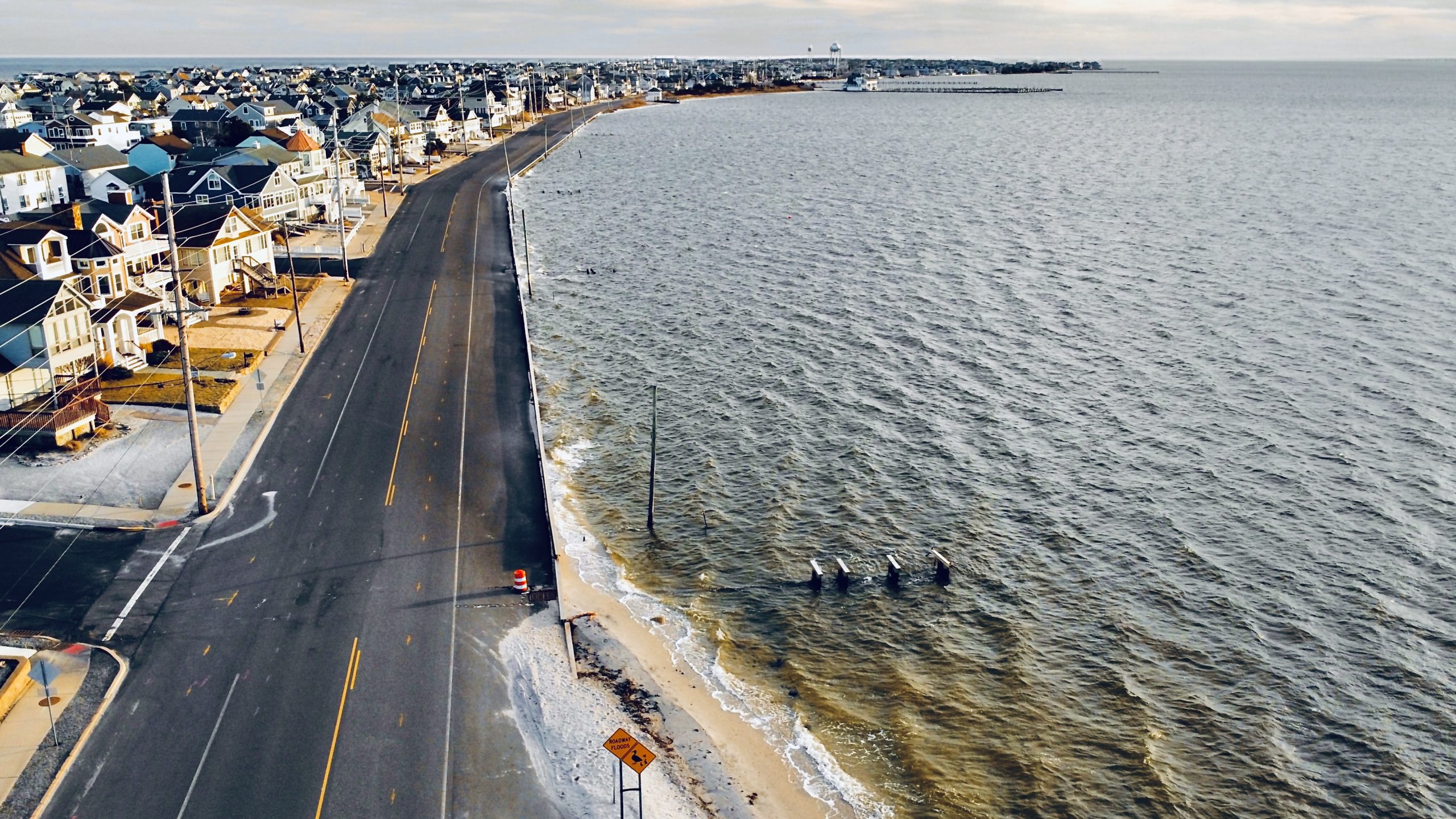
The Seaside Park bayfront along Bayview Avenue, Feb. 2023. (Photo: Daniel Nee)
Officials and environmentalists have argued that the oyster reef will, itself, foster the growth of species in the estuary – perhaps even including aquatic vegetation. Plus, the oyster reef will form a sizable home for many of the marine critters that are also attracted to spend their young days in the safety of a bed of eelgrass. Oysters, of course, are well known natural “filters” of sea water.
The borough’s plan centers on building out a number of reef platforms on the bayside to mitigate flooding, protect the shoreline, form a breakwater and foster the growth of native species on a “living reef” made of oysters shells. The reef would naturally absorb the impact of wave action, while the expanded shoreline would provide a physical berm that would keep flood water further from homes and the roadway. In a move few initially thought would be feasible, the borough – with assistance from a team of engineers and academics from Stockton University – were able to convince the state that the shoreline could be safely restored to its former size, as published in a 1977 survey.

A map showing a proposed addition of sand and oyster reefs along Seaside Park’s bayfront. (Credit: Seaside Park Borough)
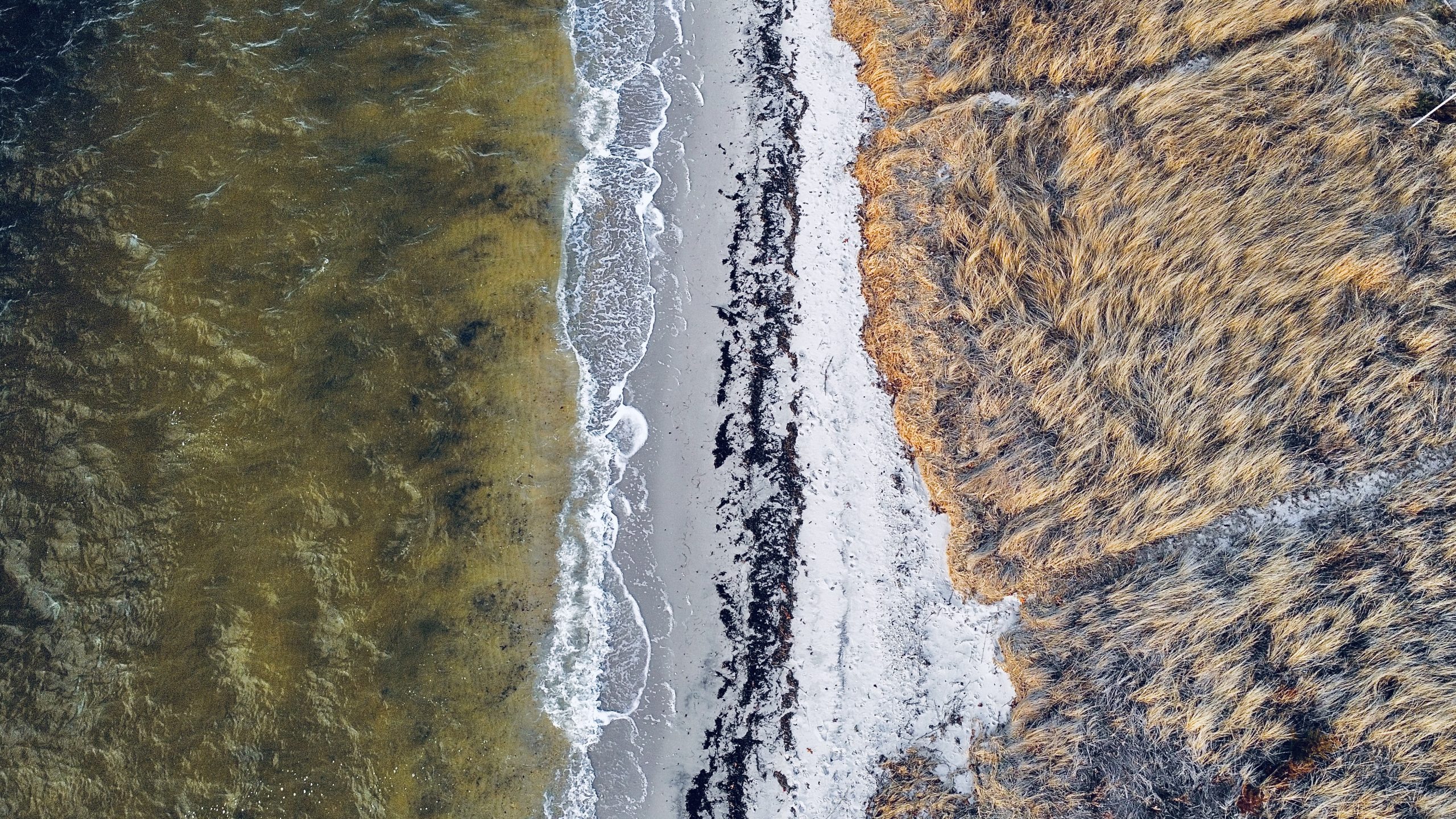
The Seaside Park bayfront along Bayview Avenue, Feb. 2023. (Photo: Daniel Nee)
Expanding the width of the bayfront would not only raise the grade of the shoreline, but leave enough room for a second bulkhead (and the oyster reef) which would serve the dual purpose of restoring aquatic life to the bayfront and mitigating wave action. The entire effort would be combined with a project to raise the elevation of Bayview Avenue and – with recent approval in hand – install a pumping system in lieu of aging outfall pipes that backwash onto residential streets.
“All of the data has been accumulated for the modified application, which is being finalized right now,” Peterson said this week. “I think they will see that this is reasonable and appropriate within the overall picture of what we’re trying to accomplish in addressing a lot of different goals.”
“This is wave attenuation, flood mitigation, shoreline restoration, habitat restoration, and native species restoration being addressed all at once,” Peterson added.
Bologna’s study will be sent along with engineering and other professional reports, though a timeline as to when the Army Corps may reach a decision is largely unknown.



Seaside Heights & Seaside Park
Star-Studded Cold War Spy Thriller To Be Filmed in Seaside Park in July


Seaside Heights & Seaside Park
Hovnanian Development in Seaside Heights Takes Shape, Sets Pricing


Shore Environment
Waves Wallop Ortley Beach, Ocean Roars As ‘Erin’ Remains Offshore


