

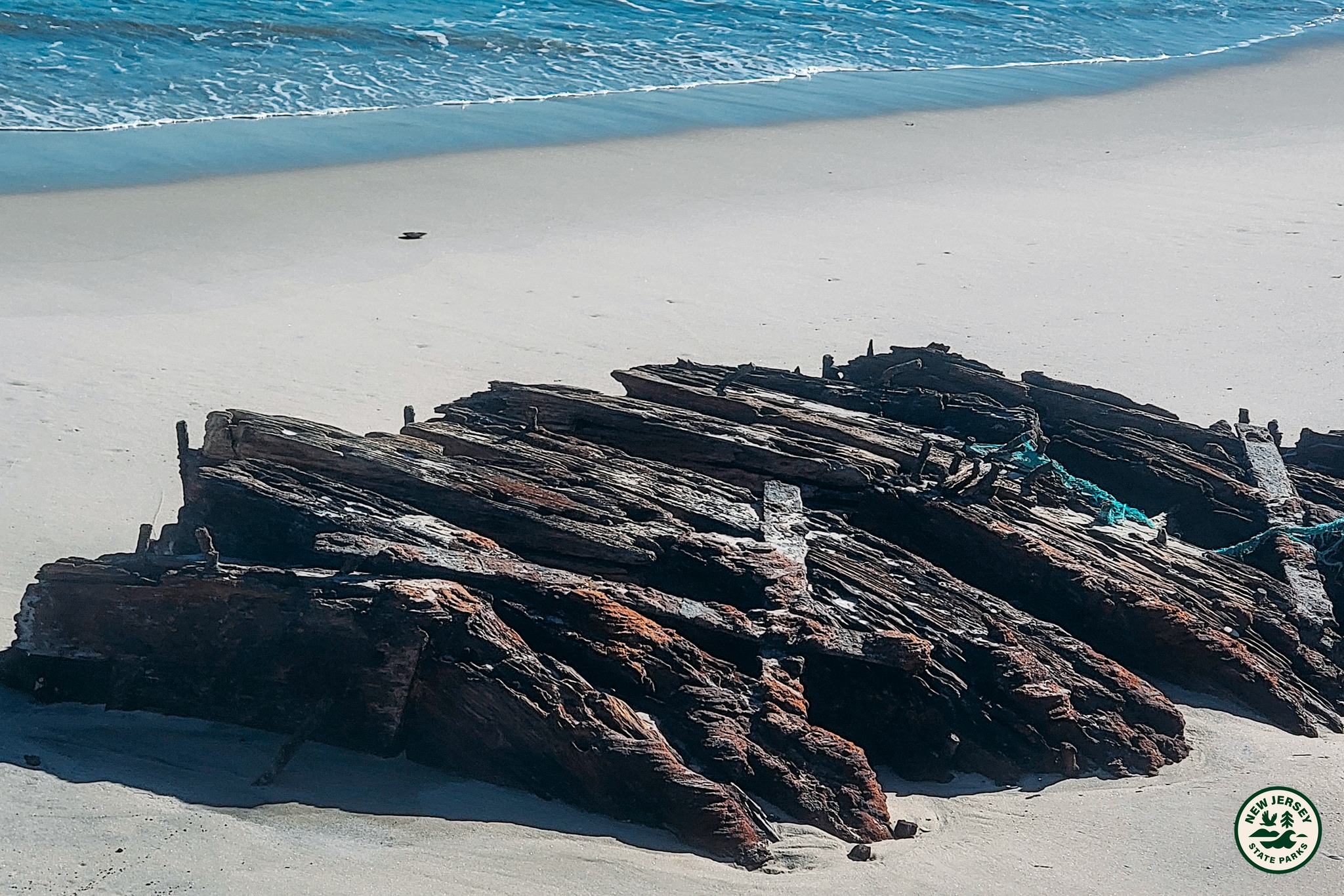
The wreck of the Lawrence N. McKenzie, uncovered at Island Beach State Park, Jan.-Feb. 2026. (Photo: IBSP)
A winter characterized by storms, frigid temperatures, high winds and rough surf has unearthed a little-known piece of history buried beneath the sand in Island Beach State Park – one of at least two shipwrecks from the era of the late 1800s that quietly exist underneath our beach chairs and blankets.
The State Department of Environmental Protection released photos of the wreck of the Lawrence N. McKenzie last week. The McKenzie was a 98.2-foot schooner traveling from Puerto Rico to New York City with a cargo of oranges when it wrecked March 21, 1890. All eight crew on board survived the wreck. The vessel was built in 1883 with a homeport of Provincetown, Mass.
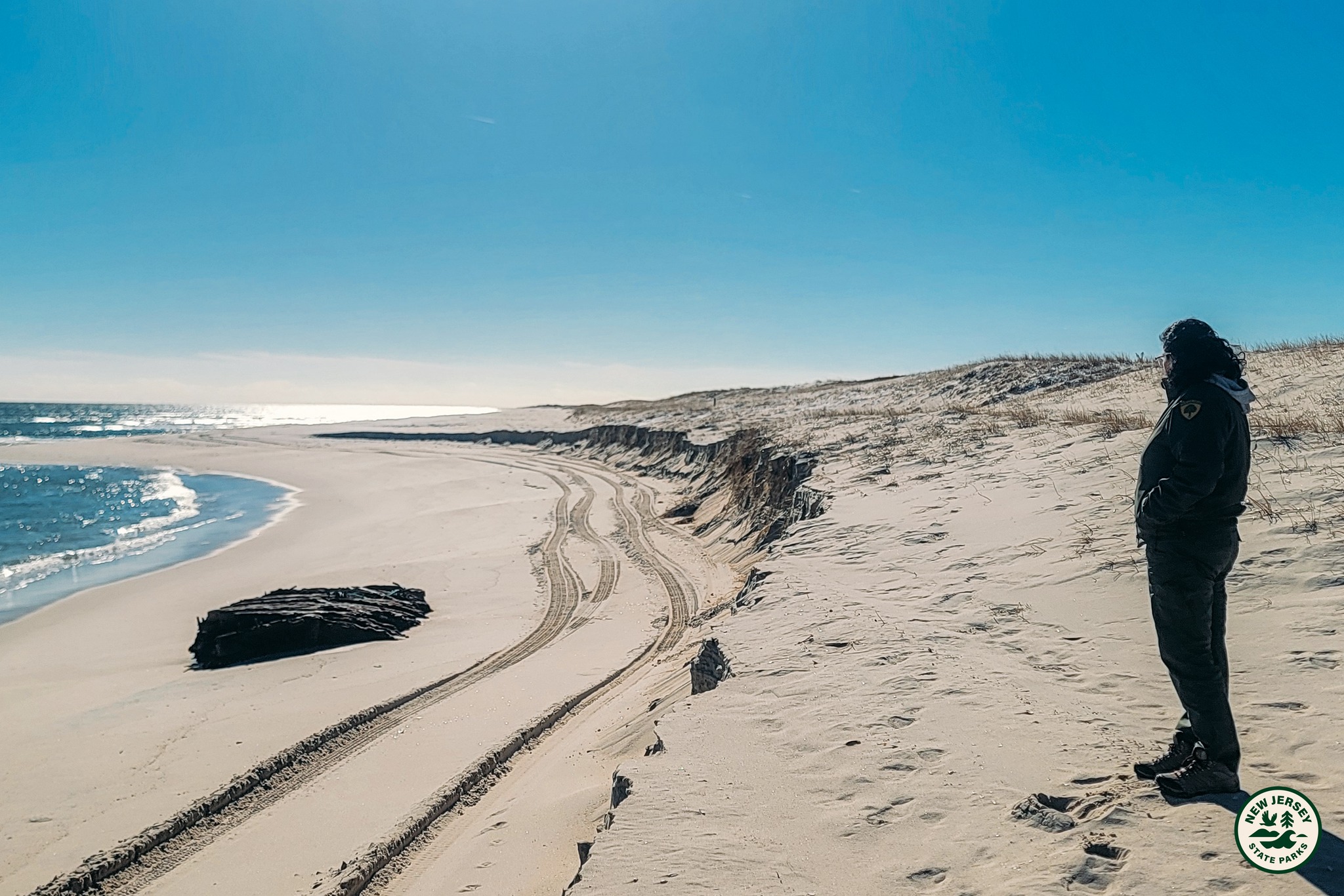
The wreck of the Lawrence N. McKenzie, uncovered at Island Beach State Park, Jan.-Feb. 2026. (Photo: IBSP)
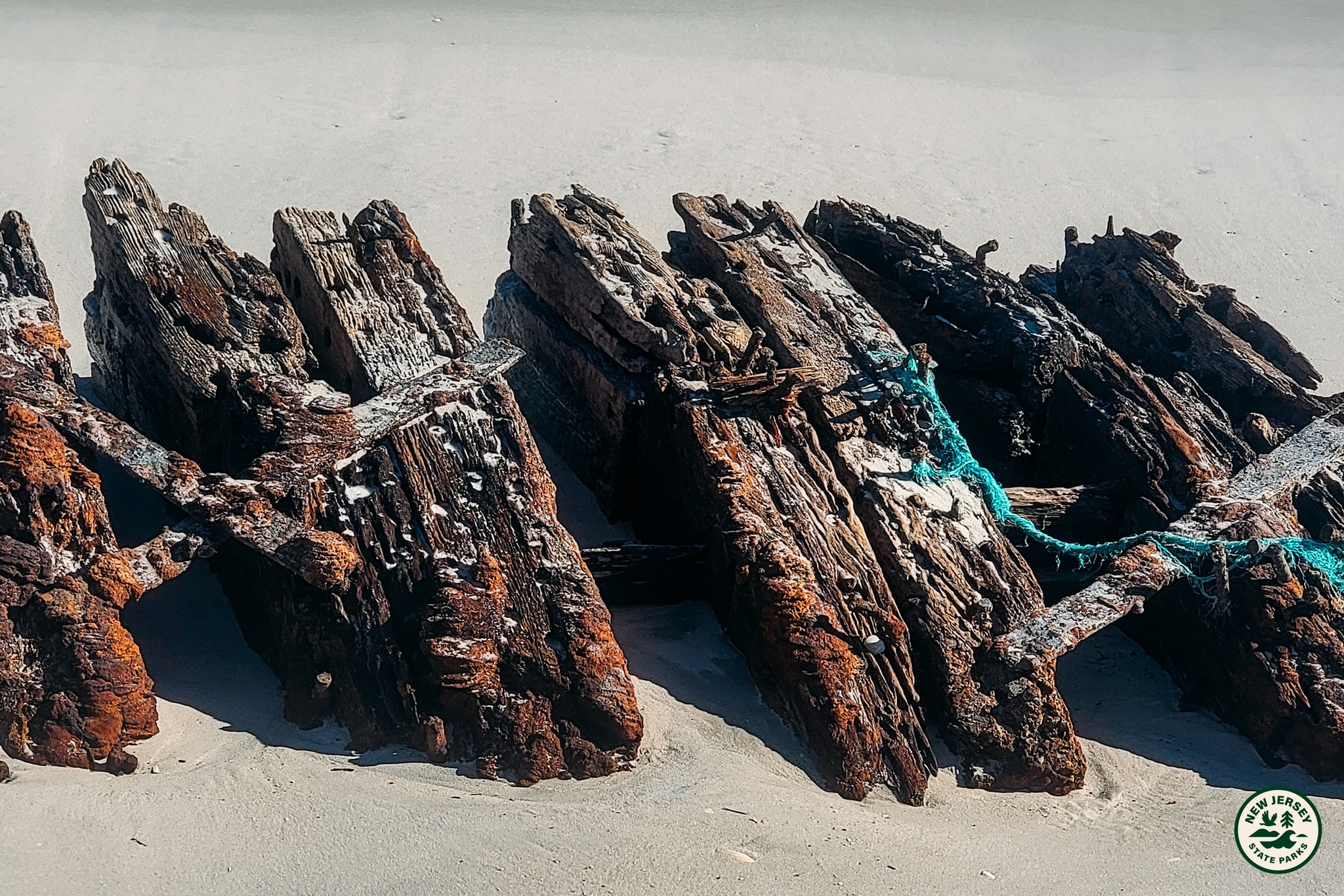
The wreck of the Lawrence N. McKenzie, uncovered at Island Beach State Park, Jan.-Feb. 2026. (Photo: IBSP)
State DEP officials are monitoring the site, which was uncovered over the course of several weeks. The wreck was known, as was its general position, however its presence to the naked eye is exceedingly rare.
“Beach erosion during the winter months is common at Island Beach State Park and is part of a natural, cyclical process,” the park’s staff posted via social media. “Each year, high-energy waves and seasonal storms remove sand from the shoreline, resulting in narrower beaches and steeper profiles. Most beaches recover from the erosion during the calmer summer months — but for now, this winter’s erosion has revealed a glimpse into the park’s maritime history.”
Past (Buried) History
In its early days, Shorebeat was the first outlet to explore another shipwreck on the barrier island, the location of which was largely unknown until crews installing a post-Superstorm Sandy sea wall in Brick Township’s Normandy Beach neighborhood hit an object so large it broke a piece of large equipment.
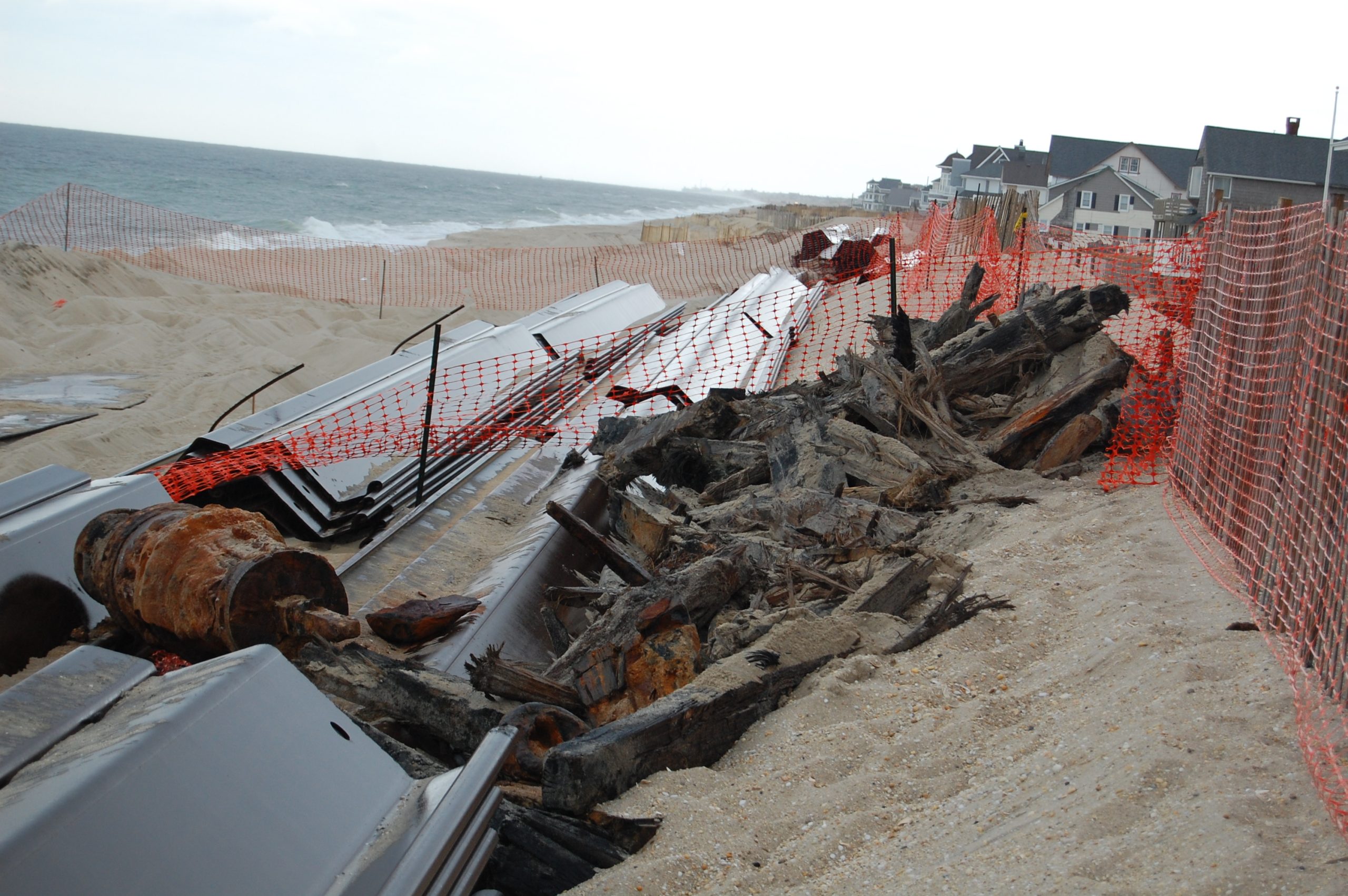
The wreck of the Ayreshire, discovered in 2014 in Normandy Beach, Brick Township, N.J. (Photo: Shorebeat)
In October 2014, a construction crew hit the object while installing one of the pieces of sheet pile that would go on to make up the protective wall near 8th Avenue. The wreck was found about 20 feet underground, then-Mayor John Ducey said, prompting township officials to notify the NJ Shipwreck Museum, a Monmouth County institution that is run by the New Jersey Historical Divers Association. An initial survey by the group revealed that the wreck was not believed to be a barge – which would have minimal historical value – but was later confirmed to be the Ayershire, which was said to have gone down Jan. 12, 1850 around 7th Avenue in Normandy Beach.
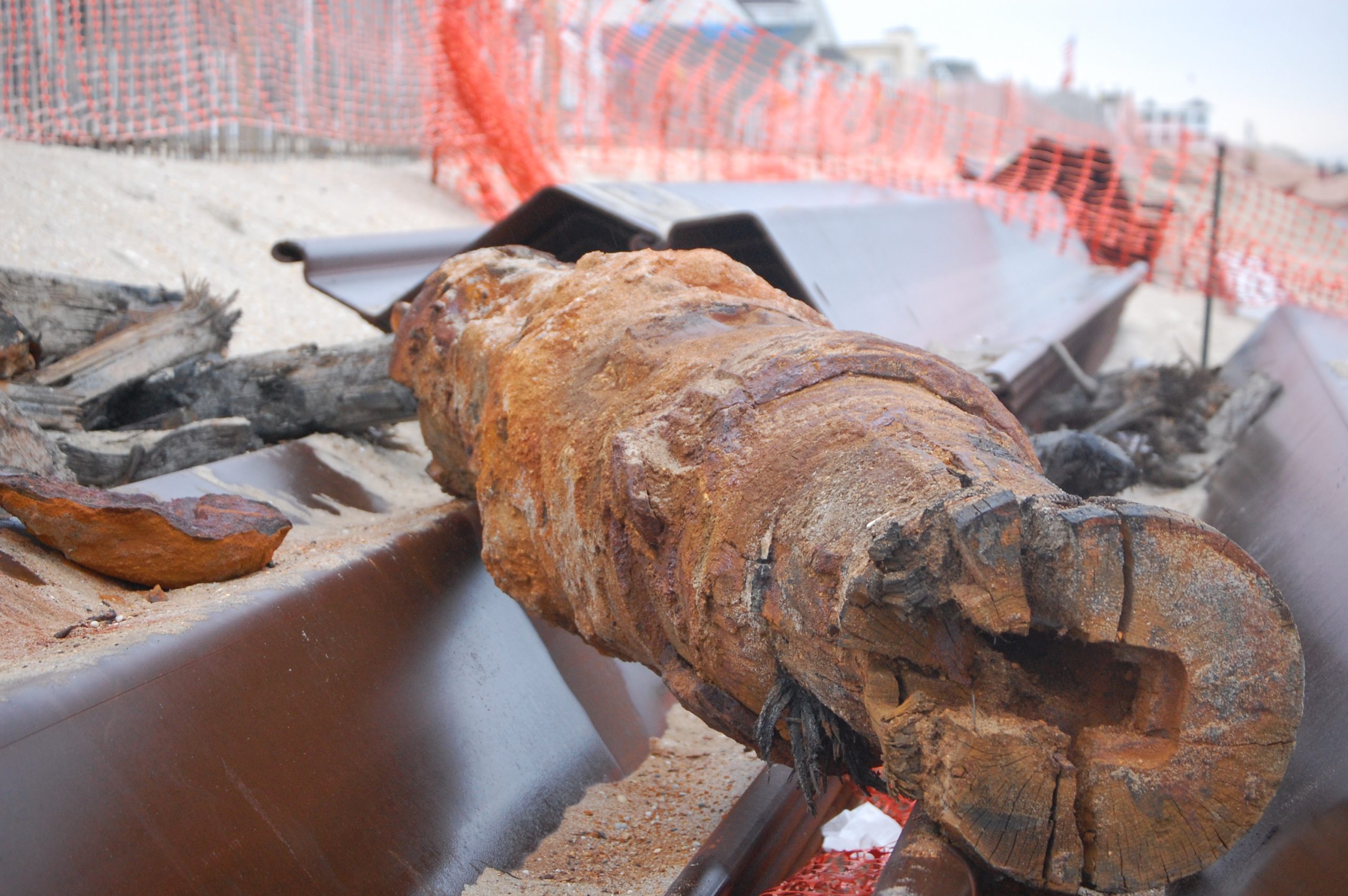
The wreck of the Ayreshire, discovered in 2014 in Normandy Beach, Brick Township, N.J. (Photo: Shorebeat)
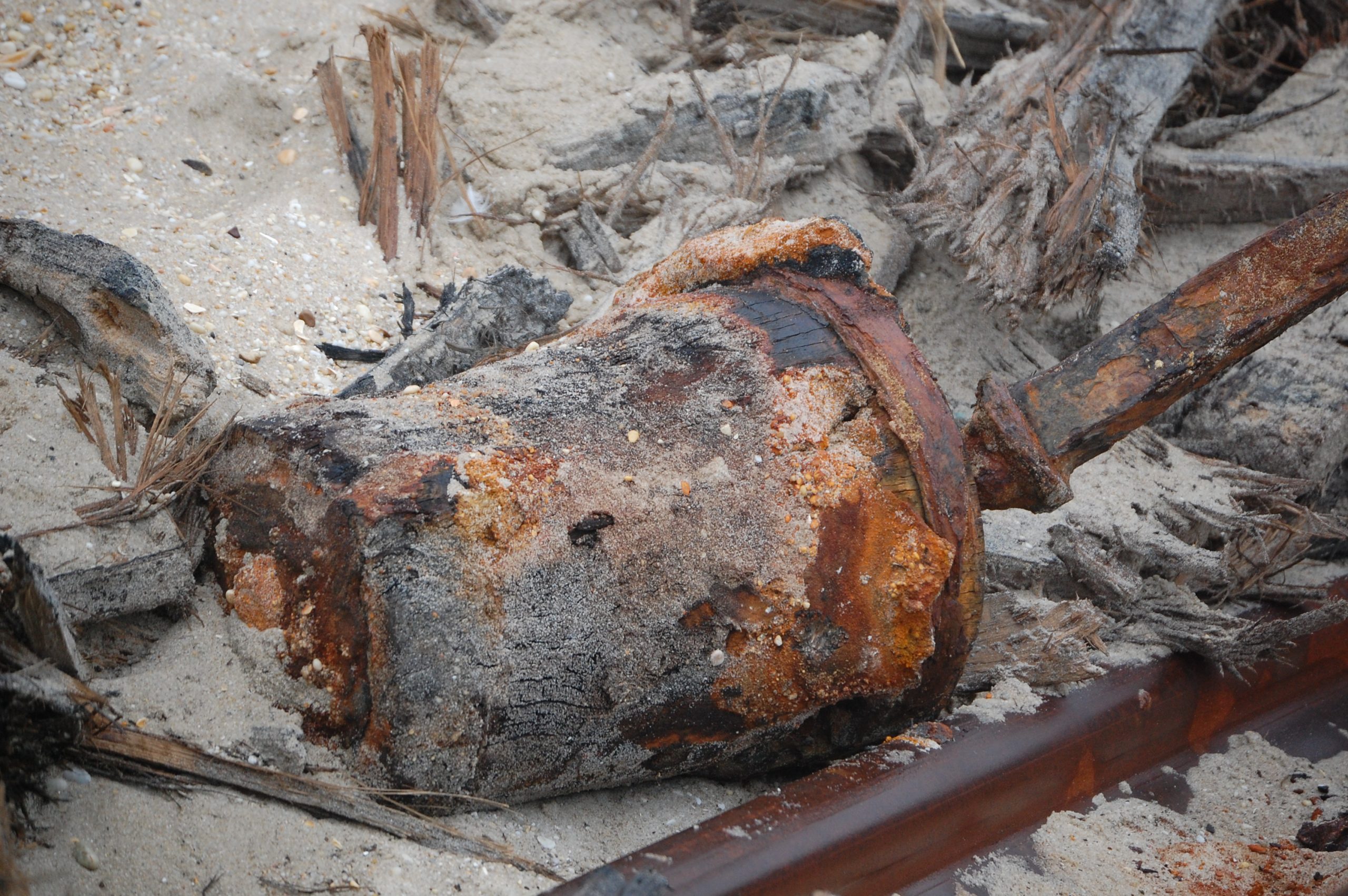
The wreck of the Ayreshire, discovered in 2014 in Normandy Beach, Brick Township, N.J. (Photo: Shorebeat)
The Ayershire, according to New Jersey Beach Divers, a shipwreck guide book, was a Scottish Brig that was wrecked onto the beach while carrying 201 immigrants from England and Ireland. Its exact location has never been determined (potentially until now), but rescuers at the time used a lifesaving Lyle gun to haul a line over the ship’s side, then attached another line that took the passengers out in a bucket to another boat, which brought them safely to shore.
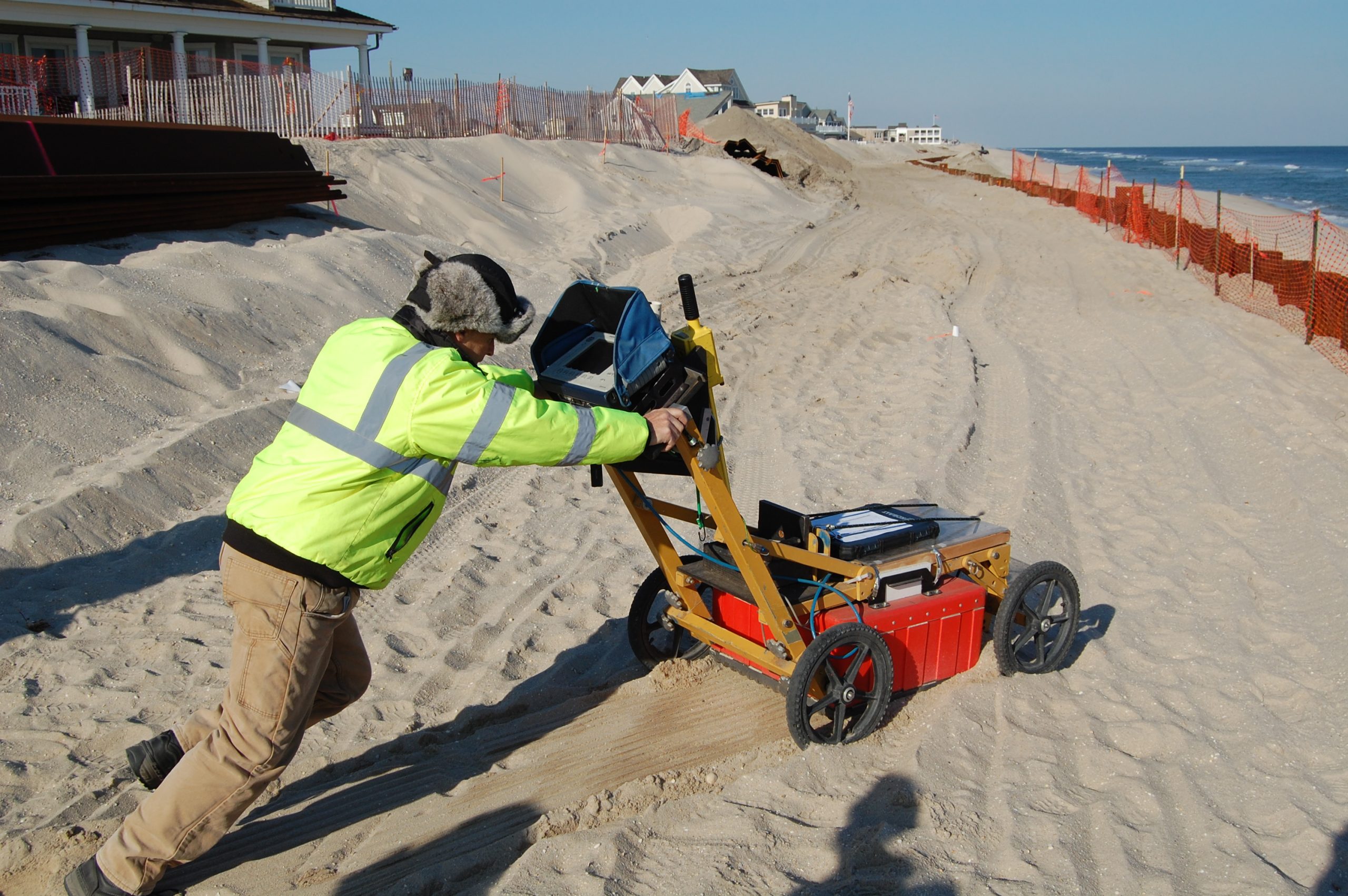
The wreck of the Ayreshire, discovered in 2014 in Normandy Beach, Brick Township, N.J. (Photo: Shorebeat)
The state later hired a team of researchers to go over the wreck with sonar equipment so it could be documented for historical purposes. Shortly after, the wreck was buried under more sand than ever before as new dunes were constructed to protect the shoreline. It would be a near-impossibility for Ayreshire to be uncovered against, now that it is covered by a 40-foot dune and protected behind the seawall.



Seaside Heights & Seaside Park
Star-Studded Cold War Spy Thriller To Be Filmed in Seaside Park in July


Seaside Heights & Seaside Park
Hovnanian Development in Seaside Heights Takes Shape, Sets Pricing


Shore Environment
Waves Wallop Ortley Beach, Ocean Roars As ‘Erin’ Remains Offshore


