
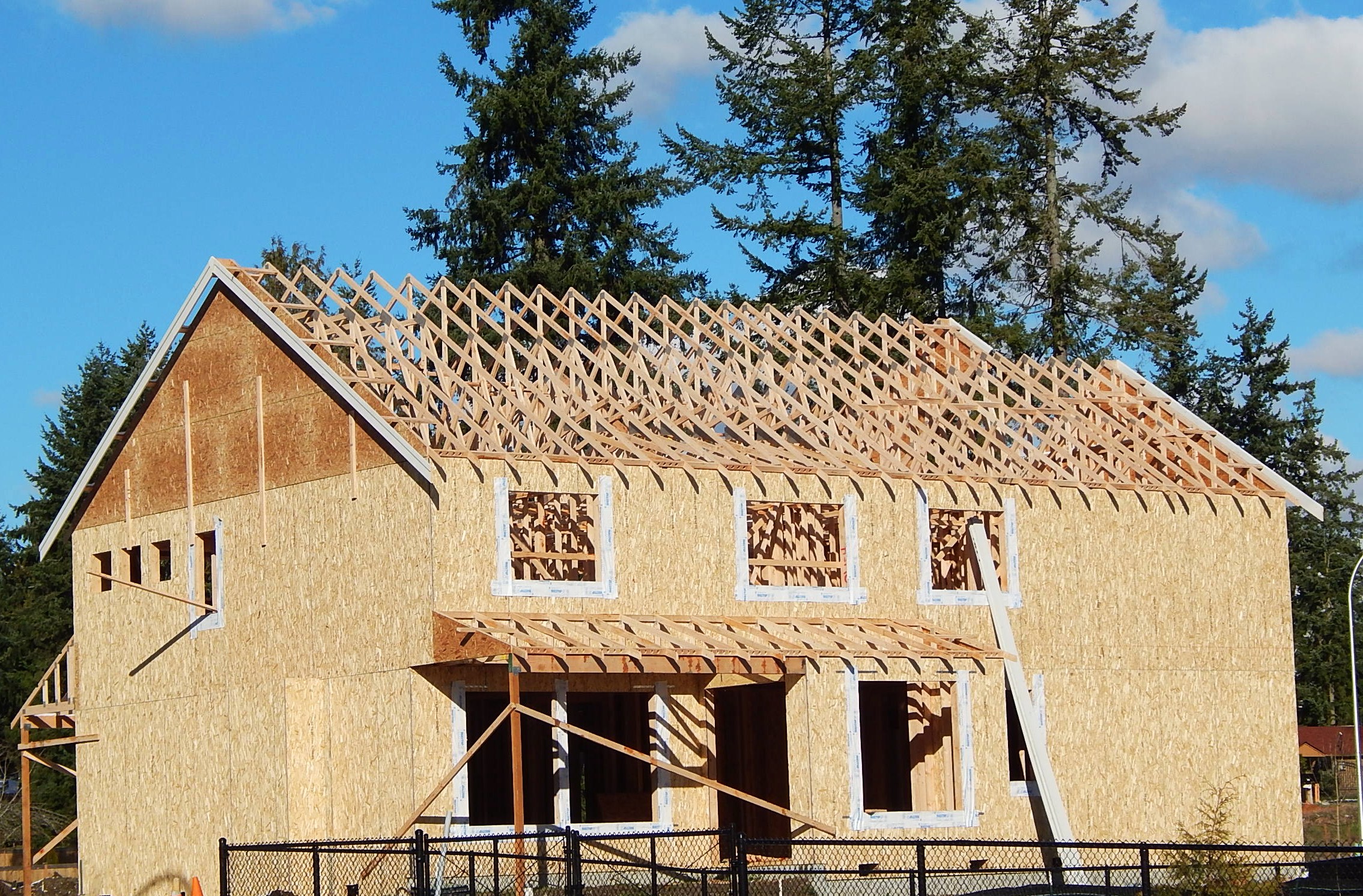
Image from Wikimedia
One of New Jersey’s most controversial policies is its affordable housing program, a court-ordered mandate for income-restricted housing in each town as a consequence of the so-called Mt. Laurel doctrine, named for the town that was the centerpiece of litigation in 1975.
Since that ruling, New Jersey municipalities have been ordered by the state to build thousands of affordable housing units. While housing advocates argue the housing is needed to provide opportunities for lower income residents to live in towns that would be otherwise unaffordable for them, many towns have objected to what is often high-density housing forced upon them by builders, who sue for permission to build in zones where such construction would not normally be permitted. The state has completed three “rounds” of setting quotas on municipal governments, with the fourth round’s quotas being developed now, through 2035.
Brick Township was notified by the state late last year that about 360 new units of affordable housing were required, based on the formula tapped by Trenton to govern the fourth round. But that quota was non-binding, leading many communities to seek declarative judgments from the court to set a lower number based on numerous factors, from the ability to deliver local services, to environmental considerations, to a lack of physical land on which new homes or apartments could be built. Brick Township, using GIS mapping data, found that it could accommodate 29 new affordable units through 2035, but ultimately settled with the Fair Share Housing Center – an activist group known for initiating litigation to enforce affordable housing doctrine – to set 322 units for its “prospective need” over the next decade.
|
|
Does this mean Brick needs to allow developers to build 322 new housing units in town? Not at all, according to Mayor Lisa Crate.
“We are not – not – building 322 affordable housing units here in Brick Township,” Crate said in a video posted to social media. “We simply do not have the land for it, I think we can all agree on that.”
Crate said the township was adhering to best practices in reaching the settlement, which does not constitute an actual order to build that number of units.
“The resolution regarding affordable housing that was passed at the township council meeting was simply to acknowledge the state’s number,” said Crate. “We had to do that in order to continue to negotiate the number that we believe is 29.”
Crate further said the settlement would preclude the ability for developers to bring so-called “Builders’ Remedy” lawsuits against the township, which occurs when a developer attempts to force a town to abandon its own zoning code utilizing the argument that the municipal government is out of compliance with the state’s affordable housing laws.
“That lawsuit would take away our zoning power and allow the developer to come in and build whatever they want,” Crate said.
Kevin Starkey, the township attorney, delved into some of the legal aspects behind the measure in a statement, starting with the method used by Brick officials during the “third round” of affordable housing quotas.
“In the third round of affordable housing, which was from 2015-2025, Brick Township had a prospective need obligation of 620 affordable housing units,” Starkey said. “However, the township performed what is called a ‘vacant land analysis’ which measures the amount of vacant developable land within the township, which is used to calculate how much development is actually possible. Following that analysis we came up with a ‘realistic development potential’ of 105 units, and that is what we planned for.”
The same approach is being taken currently, with the discrepancy between 322 units and the 29 officials believe can reasonably be constructed.
“The ‘obligation’ is Brick’s share of the regional need; our region is Ocean, Monmouth and Mercer Counties,” he said, explaining that in Brick’s region, the state takes into account the amount of vacant land within the township, the amount of nonresidential development within the township and the level of income in Brick compared to the lowest average income municipality in the region – which, in Brick’s case, is Trenton.
“We will not be building 322 new affordable units,” he stated. “The number 322 only comes into play for planning for our ‘unmet need,’ which is the units we do not have space to build.”
Starkey said the township will plan for the construction of 29 affordable housing units and adopt overlay ordinances that will encourage the redevelopment of existing properties into properties with affordable housing over the next 10 years.
“The number we have to plan for is 25 percent of 322, so 81 units,” he said. “Again, these units do not have to be constructed, but the obligation is to plan and rezone so that such redevelopment is possible.”
Starkey said the characterization that the township was “caving” to special interests is false.
“The settlement with Fair Share Housing Center is not ‘caving,’ he said. “It is the acceptance of the obligation that the legislature imposed on all towns in New Jersey. Our actual plan will be for 29 units when we adopt the Housing Element and Fair Share Plan in June of this year.”




Police, Fire & Courts
Brick Physician and Family Killed in Upstate N.Y. Plane Crash


Police, Fire & Courts
Brick Physician and Family Killed in Upstate N.Y. Plane Crash

Police, Fire & Courts
Brick Father and Son Arrested for Drug, Weapons Offenses


